
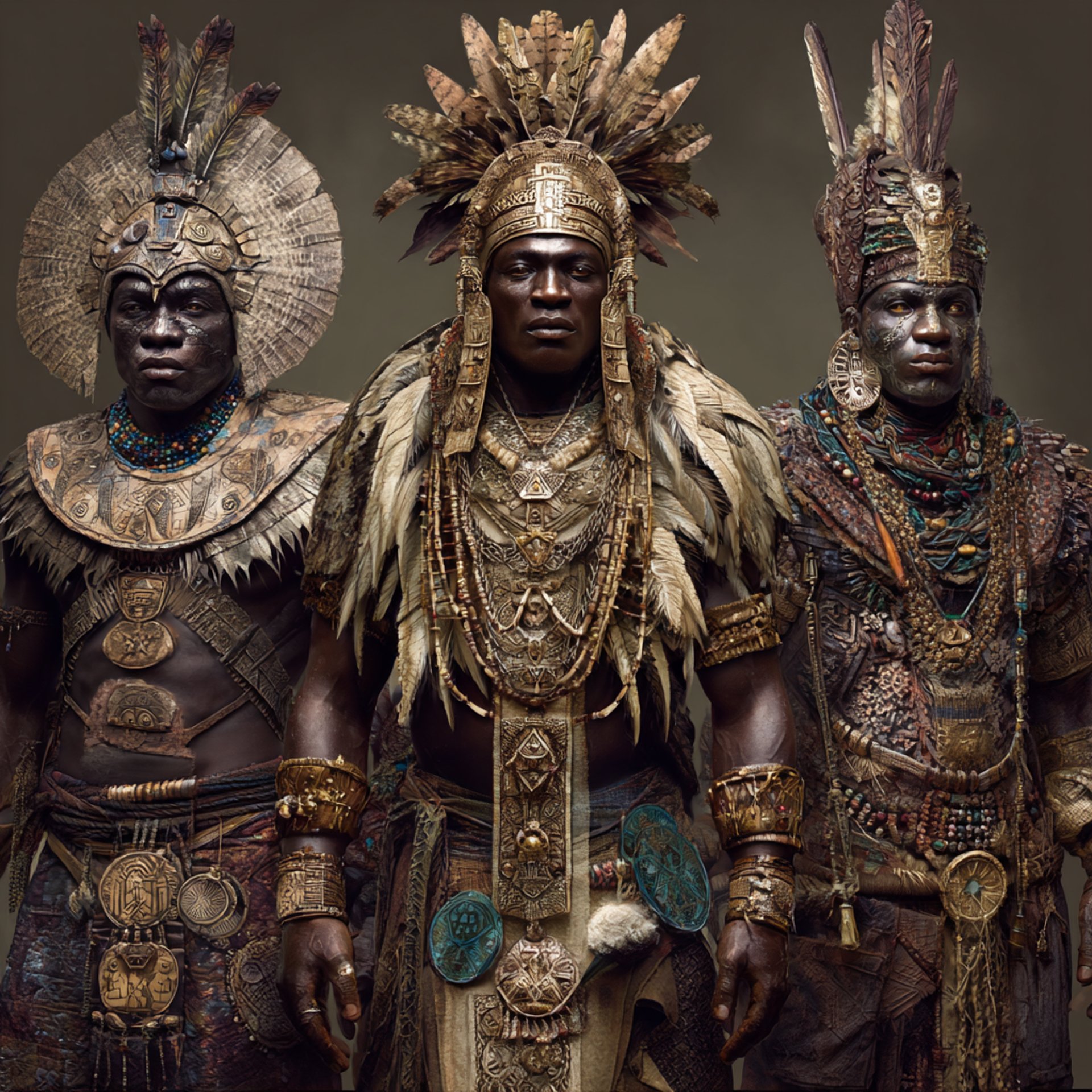
Kings and Gods of Africa: Divine Authority Across the Continent
African Kingship Was More than Tribal Rule, It Was Cosmic Governance
Historical Kings Who Built Imperial Civilisations
Pharaohs of Kemet
For three millennia the Nile Valley maintained continuous institutional kingship supported by bureaucracy, taxation, military organisation, agricultural management, architecture, and legal systems. From Narmer’s unification to Ramesses II’s monumental reign, pharaohs governed populations in the millions. Their authority combined statecraft, engineering, religion, and economic administration on a scale unmatched by most contemporary societies.
Mansa Musa (Mali Empire)
Mansa Musa’s reign demonstrated the economic and intellectual scale of West African empire. His pilgrimage redistributed enough gold to affect Mediterranean markets for years. Under his rule, Timbuktu became a centre of scholarship, manuscript production, education, and governance. His empire stretched across vast territories and integrated taxation, trade networks, urban development, and administrative control.
Sunni Ali (Songhai)
Sunni Ali expanded Songhai into the largest empire in West Africa, consolidating trade routes, securing cities, and establishing civil governance structures over enormous territory. His administration governed tens of millions through structured command and regional control.
Askia Muhammad I (Songhai)
Askia Muhammad institutionalised governance. He standardised weights and measures, formalised taxation, organised infrastructure, implemented banking structures, and integrated multiple legal traditions into functioning state administration. This was systematic statecraft, not tribal rule.
Ezana (Aksum)
King Ezana positioned Aksum as a global power trading with Rome, Arabia, and India. His minting of coinage and inscriptional governance demonstrates sovereign political infrastructure recognised internationally.
Lalibela (Ethiopia)
Lalibela’s rock-hewn churches stand as physical proof of divine kingship expressed through monumental engineering. Governance included sacred architecture as state legitimacy.
Shaka Zulu
Shaka transformed the military organisation into a structured national system. Age-based regiments, tactical formations, central command, and territorial consolidation turned fragmented clans into a unified state authority.
Afonso I (Kongo)
Afonso engaged European monarchies diplomatically as equal sovereign. His written correspondence, ambassadorial networks, and international diplomacy demonstrate literate state governance operating within global political systems.
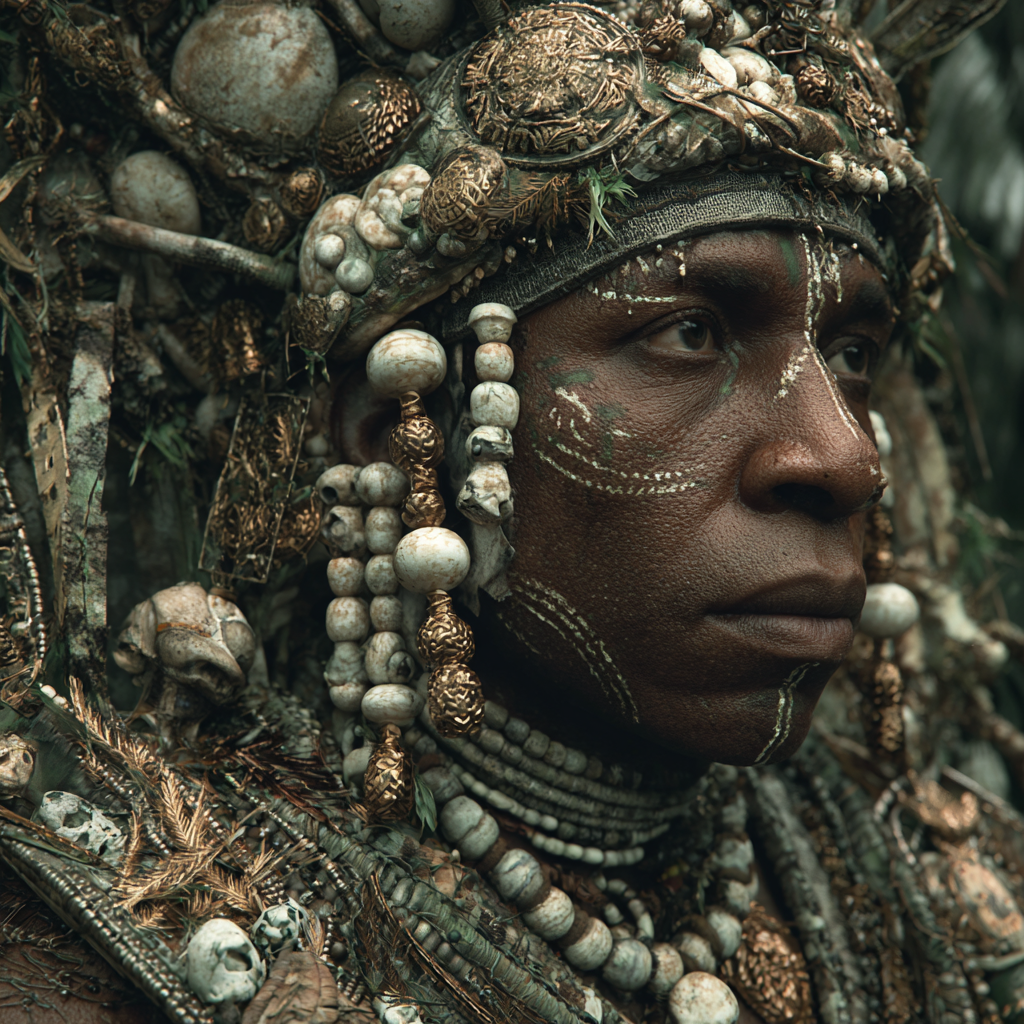
The Governance and Deities of Africa are critical parts of African history and mythology.
African kingship was never simply hereditary power or military dominance. It was a cosmological office. A king did not merely rule people. He maintained balance between land, ancestors, law, and the living world.
Where European systems later framed monarchy as divine right, meaning the king spoke for God and could not be questioned, African systems operated on divine mandate. Authority was conditional. The ruler embodied cosmic order only so long as that order was maintained. Lose balance, violate justice, fail the people, and legitimacy dissolved.
Kings were not above law. They were bound to it. Principles such as Ma’at in the Nile Valley, Ubuntu in southern traditions, and moral codes embedded in Yoruba and Akan governance formed the invisible constitutional structure surrounding the throne. Political theology was therefore not symbolic religion. It was operational governance.
This sophistication had to be erased, because colonial rule depended on presenting African authority as primitive.
Divine Kingship: Gods as Governors of Cosmic Order
Osiris (Kemet)
Osiris governed resurrection, agriculture, judgement, and the continuity of kingship itself. His mythology established the political model. A ruler governs, dies, faces judgement, and either returns to legitimacy or falls into disorder. Pharaohs were therefore not simply rulers but living enactments of this cycle. Kingship was accountable to cosmic law.
Oduduwa (Yoruba)
Oduduwa stands simultaneously as divine ancestor, founder, and constitutional origin of Yoruba kingship. The Oni of Ile-Ife did not claim power independently. Legitimacy flowed through genealogical descent anchored in Oduduwa. Political authority was therefore structured through sacred lineage rather than arbitrary conquest.
Shango (Yoruba)
Shango demonstrates the African ability to transform historical governance into sacred authority. A real Alaafin of Oyo who became deified, Shango represents the fusion of political office, military power, justice enforcement, and divine embodiment. Kingship here was not metaphorically sacred. It was historically and cosmologically integrated.
Nyame (Akan)
Nyame functioned as supreme sky authority, with Akan rulers governing as earthly custodians rather than independent sovereigns. This established accountability beyond human politics. Kings ruled within cosmic hierarchy.
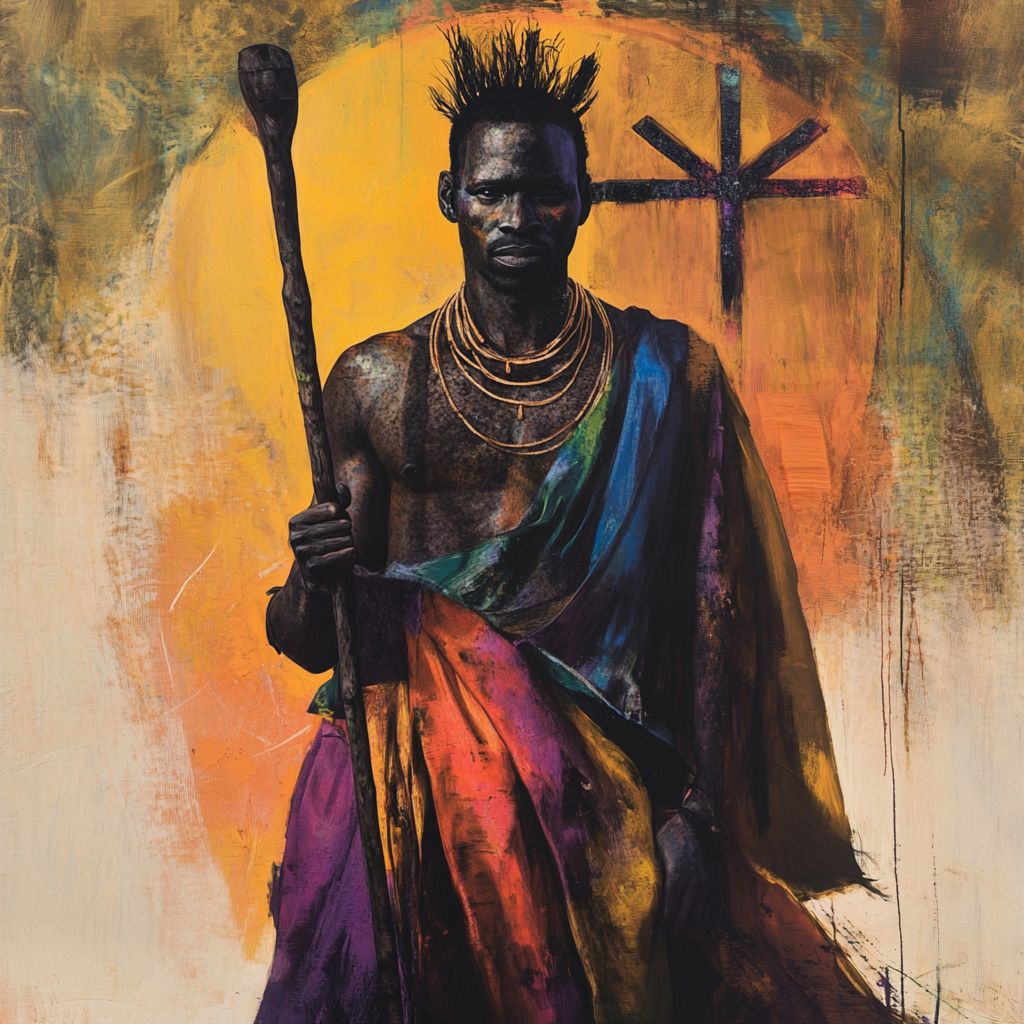
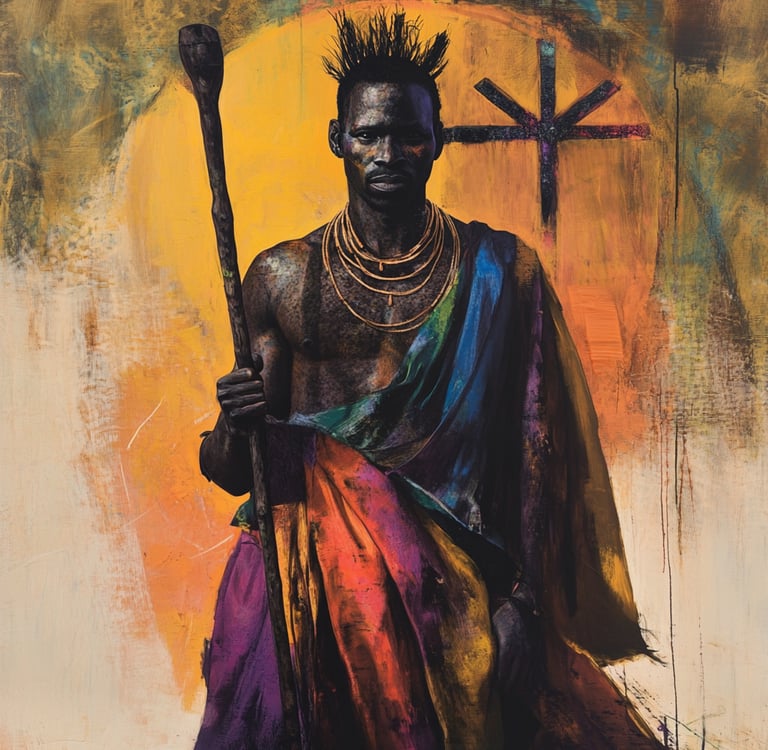
African Divine Mandate Versus European Divine Right
European doctrine placed the king above law.
African systems placed the king inside law.
Authority was monitored through councils of elders, queen mothers, oracle authorities, priesthoods, lineage structures, and community assemblies. Abdication, removal, or ritual deposition remained possible if balance failed.
These were early forms of constitutional limitation and power distribution, embedded not in written charters alone but in cosmological accountability.
Why Colonial Narratives Reduced Emperors to Chiefs
To justify conquest, imperial administrators linguistically downgraded African emperors into “tribal chiefs.” Bureaucracies were ignored. Taxation systems dismissed. Universities erased. Trade empires minimised. Architectural achievements reframed as anomalies.
The narrative required Africa to appear politically empty before European arrival.
Reality showed the opposite.
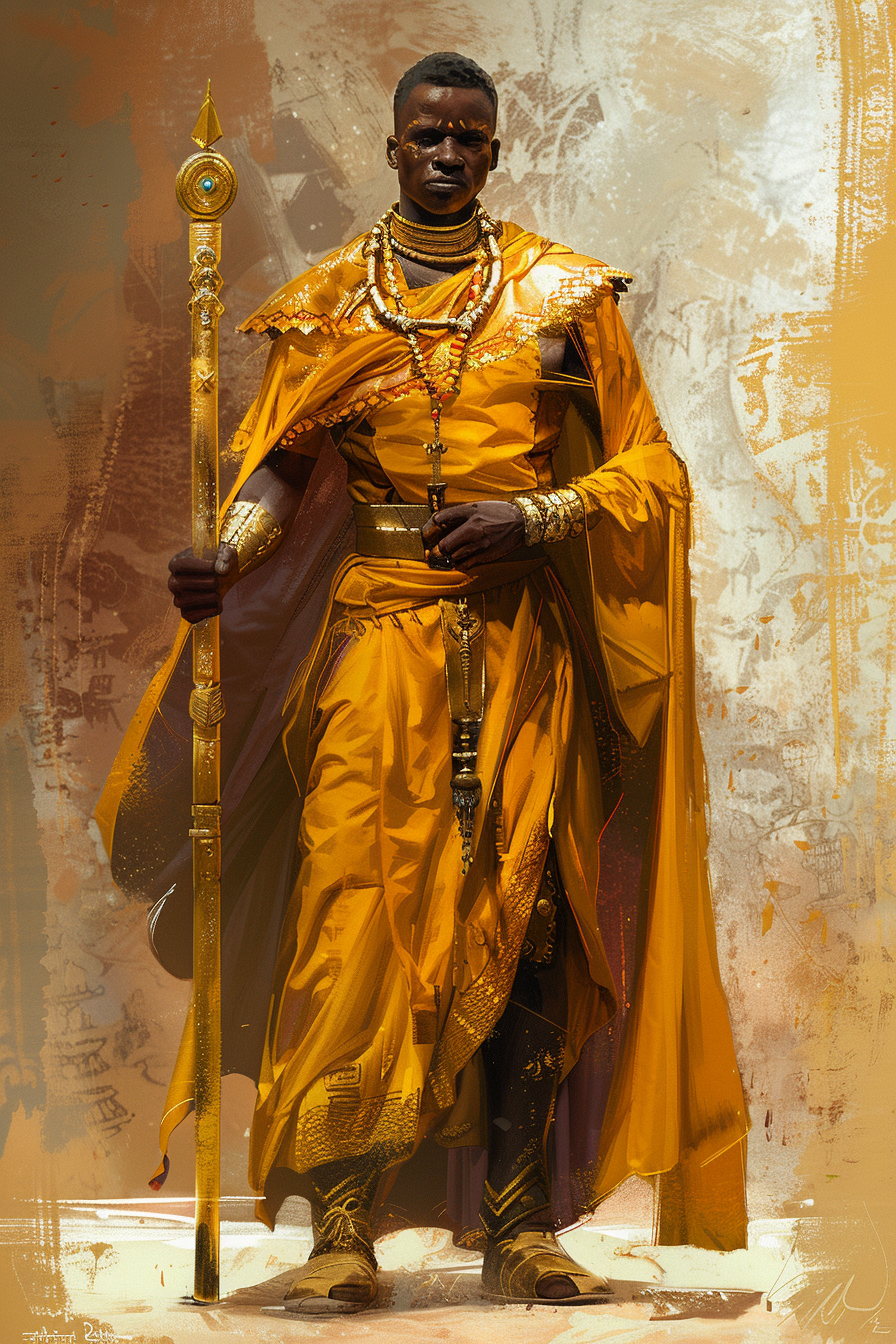
What Afrodeities Is Restoring
This work documents African kingship as structured governance rooted in cosmic accountability, institutional administration, and imperial scale.
African kings were not chiefs.
They were custodians of civilisations.
Author: Chinenye Egbuna Ikwuemesi
Topic: African kingship and divine authority
Focus: political theology and imperial governance in African civilisations
This article examines how African kings ruled through cosmic mandate, institutional checks, and structured governance systems. It investigates divine kingship across Nile Valley, West African, Ethiopian, and Central African empires, showing how rulers functioned as custodians of law rather than absolute monarchs.
Get in Touch
We'd love to hear from you! Reach out with your thoughts, questions, or stories related to Africa’s rich mythology and history.
Connect
cei@afrodeities.org
Support
cei@afrodeities.org
"The Bridgeworks" is an original civilisational framework developed by Chinenye Egbuna Ikwuemesi within Afrodeities.
Unearthing Africa’s myths, history, and stories together.
© 2024. All rights reserved.
© Chinenye Egbuna Ikwuemesi 2025.
All rights reserved.
The Afrodeities Codex and all associated titles, stories, characters, and mythologies are the intellectual property of the author. Unauthorized use is strictly prohibited.
Goddesses